The Deadliest Hour to Drive Isn't the Morning Commute

Ashlee Edwards Aughtry • July 8, 2026

Most of us assume the morning rush — coffee in hand, everyone racing to get to work and school — is the most dangerous time to be behind the wheel. Newly analyzed data on 2024 traffic fatalities tell a different story, and it's worth knowing before your next drive.
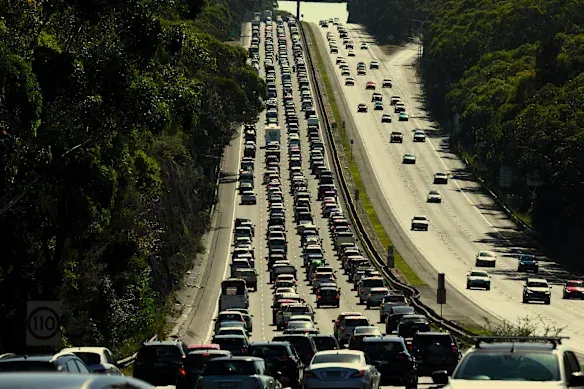

New 2024 data reveals the deadliest hour, day, and months to drive — plus South Carolina crash trends and what they mean for injured victims and their families.

A Sobering National Picture


In 2024, 39,254 people died in motor vehicle crashes on U.S. roads, according to the U.S. Department of Transportation. That works out to roughly 107 deaths every single day — more than four lives lost every hour, around the clock.


The human cost is staggering, and the financial toll is enormous as well. A national transportation research nonprofit estimated that serious and fatal crashes in 2024 carried about $455 billion in direct economic costs, plus more than $1 trillion in quality-of-life losses — the immeasurable weight of families losing loved ones and survivors coping with life-altering injuries.


The Riskiest Hour: 8 to 9 p.m.


A recent study breaking down federal crash data found that the single deadliest hour on American roads in 2024 wasn't during morning traffic at all. It was the evening window between 8 p.m. and roughly 9 p.m., which saw 2,195 fatal crashes — about 6% of all road deaths for the entire year packed into that one hour.


By contrast, the safest hour was 9 a.m., with just 962 fatal crashes — fewer than half the deaths recorded during that deadly evening hour.


Why the evening? Several factors tend to converge after sunset: reduced visibility, driver fatigue at the end of a long day, and a higher likelihood of impaired drivers on the road once the workday is over.


The Deadliest Months Lean Toward Fall


The study also identified the most dangerous months to drive — and the top five accounted for more than 16,000 fatal crashes, nearly 45% of all traffic deaths for the year:


•    October — 3,369 fatal crashes (the deadliest month)

•    August — 3,342

•    September — 3,227

•    June — 3,199

•    May — 3,178


October's grim distinction is attributed to a mix of back-to-school traffic patterns, earlier sunsets, and drinking habits as warm-weather social activities carry into the fall. The stretch between Memorial Day and Labor Day is especially dangerous too: an estimated 10,438 people died on American roads that summer, an average of 113 per day.


The Most Dangerous Day: Saturday


When it comes to the day of the week, the weekend dominates. Saturday recorded the highest number of fatal crashes in 2024 with 6,218 — more than 17% of the year's total. Sunday and Friday followed closely behind. More free time, more social events, and more late-night driving all appear to play a role.


A Persistent Gender Gap


The data also revealed a striking disparity between men and women. In 2024, 28,385 men were killed in fatal crashes compared to 10,764 women — meaning men accounted for roughly 72% of all traffic deaths, or nearly three out of every four. Researchers attribute the gap to men driving more miles overall, combined with a greater likelihood of speeding, driving aggressively, skipping seat belts, and driving while impaired.


Closer to Home: South Carolina's Roads


The national picture is sobering, but the numbers hit closer to home here in the Palmetto State. South Carolina lost roughly 1,032 people to traffic crashes in 2024. There is some encouraging news buried in that figure: the South Carolina Department of Public Safety reported that fatal crashes fell about 9% in 2024, reaching their lowest level in at least seven years and marking the fourth consecutive year of decline — down roughly 18% from the state's 2021 peak.


Still, South Carolina remains one of the more dangerous states to drive in. For years, the state's fatality rate per mile traveled has run higher than the national average, and in 2024 South Carolina had the highest share of car-occupant deaths of any state — 38% of its traffic deaths involved people riding in passenger cars, according to the Insurance Institute for Highway Safety. Impaired driving, speeding, and unrestrained occupants continue to drive a large portion of the state's fatalities year after year.


In other words, progress is real, but so is the risk — and every one of those numbers represents a person and a family.


What This Means for You


Statistics like these are not meant to keep anyone off the road — driving is simply part of daily life. But knowing when risk peaks can help you make safer choices:


•    Stay extra alert during evening hours, particularly between 8 and 9 p.m., when visibility drops and impaired driving rises.

•    Never drive impaired and never get in a car with someone who has a large share of evening and weekend fatalities involve alcohol.

•    Buckle up, every trip, every seat. Seat belts remain one of the most effective ways to survive a crash.

•    Slow down and put the phone away. Distraction and speed turn survivable crashes into fatal ones.


No amount of caution can guarantee your safety when another driver is careless, reckless, or impaired. If you or a loved one has been seriously injured — or if your family has lost someone — in a crash caused by another person's negligence, you don't have to navigate what comes next alone.


At Dunaway Law Firm in Anderson, South Carolina, we help injured people and grieving families hold negligent drivers accountable and recover the compensation they need to move forward. Reach out for a free, confidential consultation to learn more about your rights.


Contact us today at 864-224-1144 or

www.dunawayfirm.com to schedule your free consultation.


This post is provided for general informational purposes only and does not constitute legal advice or create an attorney-client relationship. Every case is different; for guidance about your specific situation, please consult a licensed attorney.


Data cited above comes from the U.S. Department of Transportation, the South Carolina Department of Public Safety, and the Insurance Institute for Highway Safety. Reporting on the national study appeared in the Delaware News Journal (USA TODAY Network), July 2026.

By Field Dunaway • September 30, 2026
Injured in an assault in SC? The state's Crime Victim Compensation Fund may cover medical bills, counseling & lost wages. Learn who qualifies & how to apply.
By Field Dunaway • September 14, 2026
You slip on a wet floor at the grocery store. You trip over a broken step at a friend's house. A neighbor's dog bites your kid. The first thing most people hear afterward is some version of "well, that's just an accident." Sometimes it is. But South Carolina law puts real duties on the people who own and control property, and when they ignore those duties and someone gets hurt, that's not an accident. That's a premises liability claim. Here's how it works, whether the property belongs to a business or a private homeowner. The property owner's duty depends on why you were there: South Carolina sorts visitors into three categories, and the owner's obligation changes with each one. Invitees are people on the property for the owner's benefit, usually customers. If you're shopping at Walmart, eating at a restaurant on Main Street, or walking through a hotel lobby, you're an invitee. The owner owes you the highest duty: they have to keep the property reasonably safe, inspect for hazards, and fix or warn about dangers they knew or should have known about. That "should have known" language matters. A store can't just say "nobody told us about the spill." Licensees are social guests, people there with permission but for their own purposes. That's you at your buddy's cookout or your in-laws' house for Thanksgiving. A homeowner owes a licensee a duty to warn about hidden dangers the homeowner actually knows about. If they know the back deck railing is loose and don't say anything, they've got a problem. If they had no idea, the analysis gets harder. Trespassers get the least protection. An owner generally only has to avoid willful or wanton harm to an adult trespasser. Children are a different story. Under what courts call the attractive nuisance doctrine, an owner who keeps something a child is likely to wander toward (a pool, an old refrigerator, construction equipment) can be liable even if the child had no permission to be there. Figuring out which category applies is the first thing we do on every premises case, because it sets the standard the owner is held to. What this means for businesses: Businesses in Upstate South Carolina deal with the public all day, which means they deal with invitees all day. The most common claims we see against commercial property owners involve slip and falls from spills, freshly mopped floors with no warning signs, or leaks in the produce section; parking lot hazards like potholes, poor lighting, and broken curbs; falling merchandise from overstocked shelves; stairs and walkways with broken handrails or uneven surfaces; and negligent security in places like apartment complexes, bars, and parking decks where the owner knew about prior crime and did nothing. The fight in most of these cases is about notice. To win a slip and fall in South Carolina, you generally have to show the business either created the hazard, knew about it, or that it existed long enough that a reasonable business should have found it. That's why we send preservation letters fast. Surveillance footage, incident reports, and sweep logs tend to disappear if nobody asks for them. What this means for homeowners: Homeowners are surprised to learn they can be sued for a guest's injury. But in practice, the claim is usually made against the homeowner's insurance policy, not against the homeowner personally. Most standard homeowner's policies carry liability coverage, often $100,000 to $300,000, precisely for this situation. Common homeowner premises claims include dog bites, falls on stairs, decks, or icy walkways, swimming pool injuries, and injuries from unmaintained structures like rotted porches or collapsing sheds. Dog bites deserve their own mention. South Carolina has one of the more favorable dog bite laws in the country for injured people. Under S.C. Code § 47-3-110, a dog owner is strictly liable when their dog bites or attacks someone who is in a public place or lawfully on private property. You don't have to prove the dog was vicious before, and you don't have to prove the owner was careless. The main defense is that the injured person provoked the dog or was trespassing. When the government owns the property: Falls at the courthouse, on a county sidewalk, or in a public park fall under the South Carolina Tort Claims Act. These cases have shorter deadlines and damage caps, and the procedure is unforgiving. If you were hurt on public property, do not wait to talk to a lawyer. The clock on these cases runs faster than people think. "But I should have been watching where I was going": Insurance adjusters love this line. South Carolina uses a modified comparative negligence rule: your recovery is reduced by your share of fault, and you're barred from recovering only if you're 51% or more at fault. Being partly responsible does not kill your case. It's a negotiation point, and the adjuster is going to try to inflate it. Don't give a recorded statement before you've talked to someone who represents you. What to do if you've been injured on someone's property: Get medical care first. Then, if you can, take photos of the hazard before it gets cleaned up or fixed. Report the incident to the owner or manager and ask for a copy of any incident report. Get names and phone numbers of anyone who saw what happened. Keep the shoes and clothes you were wearing. And don't sign anything or accept a quick payment from an insurance company until you understand what your case is worth. In South Carolina, you generally have three years from the date of injury to file a premises liability lawsuit. Three years sounds like a long time. It isn't, especially when evidence disappears within days. Talk to a premises liability lawyer in Anderson: Dunaway Law Firm has handled premises liability cases across Anderson County and the Upstate, from slip and falls at big-box retailers to dog bites in residential neighborhoods. We know the notice arguments, we know the insurance carriers, and we know how to move fast on preserving evidence. If you were hurt on someone else's property, call us for a free consultation. There's no fee unless we win . Call 864-224-1144 They have insurance. You have us!
The Supreme Court will hear a case testing caregiver accountability for ignoring medical needs.
By Ashlee Edwards Aughtry • June 25, 2026
The Supreme Court will hear a case testing caregivers accountability for ignoring medical needs, with implications for medical-malpractice & nursing-home patients.
By Field Dunaway • June 15, 2026
Why a Smaller Firm Can Get You a Bigger Check
By Field Dunaway • May 8, 2026
Call Dunaway Law Firm, LLC - It's FREE
By Field Dunaway • April 27, 2026
Record Insurance Profits, Record Lowball Offers 
By Field Dunaway • April 24, 2026
Suspect nursing home abuse? Avoid costly mistakes that can hurt your case. Learn what to do before it’s too late.
By Field Dunaway • April 13, 2026
How to recognize nursing home neglect and hold them accountable under S.C. law
February 25, 2026
Introduction Every day, consumers place their trust in products — from cars and household appliances to toys and prescription drugs. But what happens when those products fail and cause harm? This is where product liability law steps in. Designed to protect consumers and hold manufacturers accountable, this area of law ensures that unsafe products don’t go unchecked. What Is Product Liability? Product liability refers to a manufacturer or seller being held legally responsible for placing a defective product into the hands of a consumer. Unlike ordinary negligence claims, product liability is often governed by strict liability — meaning that a plaintiff doesn’t always have to prove negligence, only that the product was defective and caused injury. Types of Product Defects There are three main categories of product defects: Design Defects: Flaws inherent in the product’s design that make it unsafe (e.g., a car model prone to rollover accidents). Manufacturing Defects: Errors that occur during production, leading to a dangerous variant of an otherwise safe design. Marketing Defects (Failure to Warn): Inadequate instructions or warnings about a product’s risks. Common Examples Contaminated food or pharmaceuticals Faulty airbags or brakes Flammable clothing or defective electronics Liable Parties: In product liability law, responsibility doesn’t stop with the manufacturer — it can extend to any commercial entity in the chain of distribution. That means if a defective product causes injury, a plaintiff may bring a claim against the manufacturer, component-part maker, wholesaler, distributor, or retailer. The key idea is that every business involved in placing the product into the stream of commerce shares responsibility for its safety. What Consumers Should Do? If you’ve been injured by a defective product: Seek medical attention immediately. Preserve the product and packaging. Document everything — injuries, receipts, photos, and correspondence. Consult a product liability attorney to explore your rights. SOL South Carolina Law: For product liability claims in South Carolina, there are critical time limits you must understand: South Carolina also has an 8-year statute of repose for product liability claims. This means: No product liability action may be brought more than 8 years after the product was first sold or delivered, even if the injury was not discovered until later. ⚠️ The statute of repose is a hard cutoff. The discovery rule does not extend it. Conclusion Product liability law serves an important public purpose: it encourages companies to prioritize safety and transparency. If you believe a defective product has harmed you, understanding your legal options is the first step toward justice and compensation.
By Field Dunaway • December 10, 2025
The ripple effect of Australia’s new rules on pending federal and South Carolina social media legislation.