From Down Under to Your Door: Australia’s New Social Media Law and What’s Brewing in the U.S. and South Carolina
The ripple effect of Australia’s new rules on pending federal and South Carolina social media legislation.

In November 2024, Australia passed the Online Safety Amendment (Social Media Minimum Age) Bill 2024, which amends the federal Online Safety Act 2021. The new rules came into force on December 10, 2025.
From that date, social media platforms are legally required to block Australians under 16 from having social media accounts (with some nuances around “age-restricted social media platforms”).
What Kind of Law is It?
It’s primarily:
- A federal statute (Commonwealth Parliament) – the Online Safety Amendment (Social Media Minimum Age) Act 2024.
- It inserts a new Part 4A – “Social media minimum age” into the existing Online Safety Act 2021.
- It’s enforced by the eSafety Commissioner, a national regulator with powers to issue directions and civil penalties.
Separately, Australia is also developing a Children’s Online Privacy Code under privacy law, modeled on the UK’s Age-Appropriate Design Code, but that’s about data/privacy design obligations, not an outright ban.
So you can think of it as:
Online safety law → sets a minimum age (16) and platform responsibilities
Privacy / design code (coming) → governs how services handle kids’ data and design features
Key Parts Summarized
Mandatory minimum age: 16
- The law defines an “age-restricted user” as an Australian child under 16.
- “Age-restricted social media platforms” must take reasonable steps to prevent these users from:
- Creating new accounts, and
- Keeping existing accounts.
So it’s not just “no sign-ups” – platforms are supposed to identify and remove under-16 accounts that already exist.
Which platforms are covered?
The law targets major social media platforms that:
- Have large user bases in Australia and
- Have features for sharing content, connecting with others, following/being followed, etc.
In practice, the government and coverage list:
- Facebook, Instagram, TikTok, Snapchat, YouTube, Reddit, X (Twitter), Threads, Twitch, Kick and similar services.
Some services with social features (e.g., games, chat inside apps) may also count if they meet the definition.
What platforms must do.
The amended Act and government fact sheet say platforms must:
- Prevent under-16s from having accounts
- Deactivate or remove existing under-16 accounts
- Block new under-16 sign-ups
- Use age-assurance / age-verification measures beyond simple “enter your birthday”:
- Age-estimation based on video selfies or facial analysis
- Analysis of behavior / account data
- Optional ID or bank-linked checks (but they can’t mandate government ID as the only route)
- Not rely solely on parental consent; parents cannot override the ban for their under-16 child.
They can still let kids browse some content logged-out (e.g., watching videos without an account), but no posting, commenting, DMs, or personalized feeds via an account.
Penalties
The eSafety Commissioner is responsible for ensuring organizations comply with age-assurance requirements and can request data on these systems, issue enforcement notices, and seek civil penalties. Serious or systemic non-compliance can attract heavy penalties of up to A$49.5 million (about US$33 million) or a percentage of a company’s global turnover.
Is the U.S. Next? What’s Happening Here in the U.S. & South Carolina
Here’s a combined, up-to-date synopsis of what someone living in South Carolina should know about active or recently proposed laws — both federal and SC-state — that would affect minors’ use of social media and online services. It includes what’s already law and what’s still “in play.”
What's Going on in D.C. (Federal-Level)
The list of current pending bills as of 12/10/25 which have the potential for becoming U.S. laws relating to age restrictions on social media are outlined below.
Kids Online Safety Act (KOSA)
- This bill was re-introduced in the Senate in May 2025. (Congress.gov)
- It would require online platforms — including social media, streaming, messaging, etc. — to implement protections for minors under 17: safer default settings, privacy protections, parental-control tools, less harmful content, restrictions on algorithmic “engagement boosting,” and reporting mechanisms. (Congress.gov)
- As of December 2025, KOSA has not become law. It is pending further consideration (the House has not passed final legislation).
Children and Teens’ Online Privacy Protection Act 2.0 (COPPA 2.0)
- Introduced by U.S. Senators in 2025 to update the older federal privacy law. (U.S. Senator Bill Cassidy)
- If enacted, it would extend protections beyond under-13 children to include adolescents (up to age 16 or 17): internet companies would be barred from collecting their personal information without consent, would have to allow deletion of that information (“eraser button”), ban targeted advertising to minors, and set stricter data-minimization standards. (Ed Markey)
- The Senate passed this legislation (as part of a broader youth-online-safety package) by a wide margin (91–3). (Chuck Grassley)
- As of now, COPPA 2.0 remains pending final approval in Congress / the House. (Ed Markey)
What’s Going On in South Carolina (State-Level)
South Carolina Social Media Regulation Act (H. 3431, 2025-2026 session)
- This bill was introduced Jan 2025, passed the SC Senate on May 6, 2025 (unanimous vote) after amendments, and was sent back to the House for consideration. (South Carolina Legislature Online)
- If enacted, it would amend SC law to require social-media companies to verify the age of South Carolina account-holders, and forbid minors (without express parental consent) from being account holders. (South Carolina Legislature Online)
- It also includes: restrictions on advertising and data collection for minors; limitations on features that encourage excessive or compulsive use; requirements for parental-controls, transparency, and reporting mechanisms; and enforcement power for the state’s consumer-services division. (South Carolina Legislature Online)
- If approved by the House and signed by the governor, the law would take effect 90 days after approval. (South Carolina Legislature Online)
- Status: Passed Senate → pending in House (not yet law). (South Carolina Legislature Online)
Recap - What You Should Know
- There is no SC-state or federal law in force yet that universally bans minors from social media or fully regulates age-verification / account-restrictions.
- At the federal level, two major bills — KOSA (safety protections) and COPPA 2.0 (privacy/data protections) — have passed the Senate, but still must clear the House before becoming law.
- In South Carolina, H. 3431 (the Social Media Regulation Act) has made substantial progress: it passed the Senate unanimously and is under consideration in the House. If approved and signed, it would impose age-verification requirements and parental-consent/account-restriction rules for minors in SC.
- Bottom line for you (in SC): We are at a pivotal moment — important new regulations may become law in the near future, but as of now, most of these protections remain proposals.
Both federally and in South Carolina, several major proposals aimed at regulating minors’ access to social media and strengthening online-safety and privacy rules are moving — but none are fully enacted yet. Federally, KOSA and COPPA 2.0 have momentum after clearing the Senate, and in South Carolina the Social Media Regulation Act (H.3431) has already passed the Senate and is now waiting in the House. Any of these could still become law, meaning the next year will be important for families, schools, platforms, and policymakers.
What to Expect if These Become Law
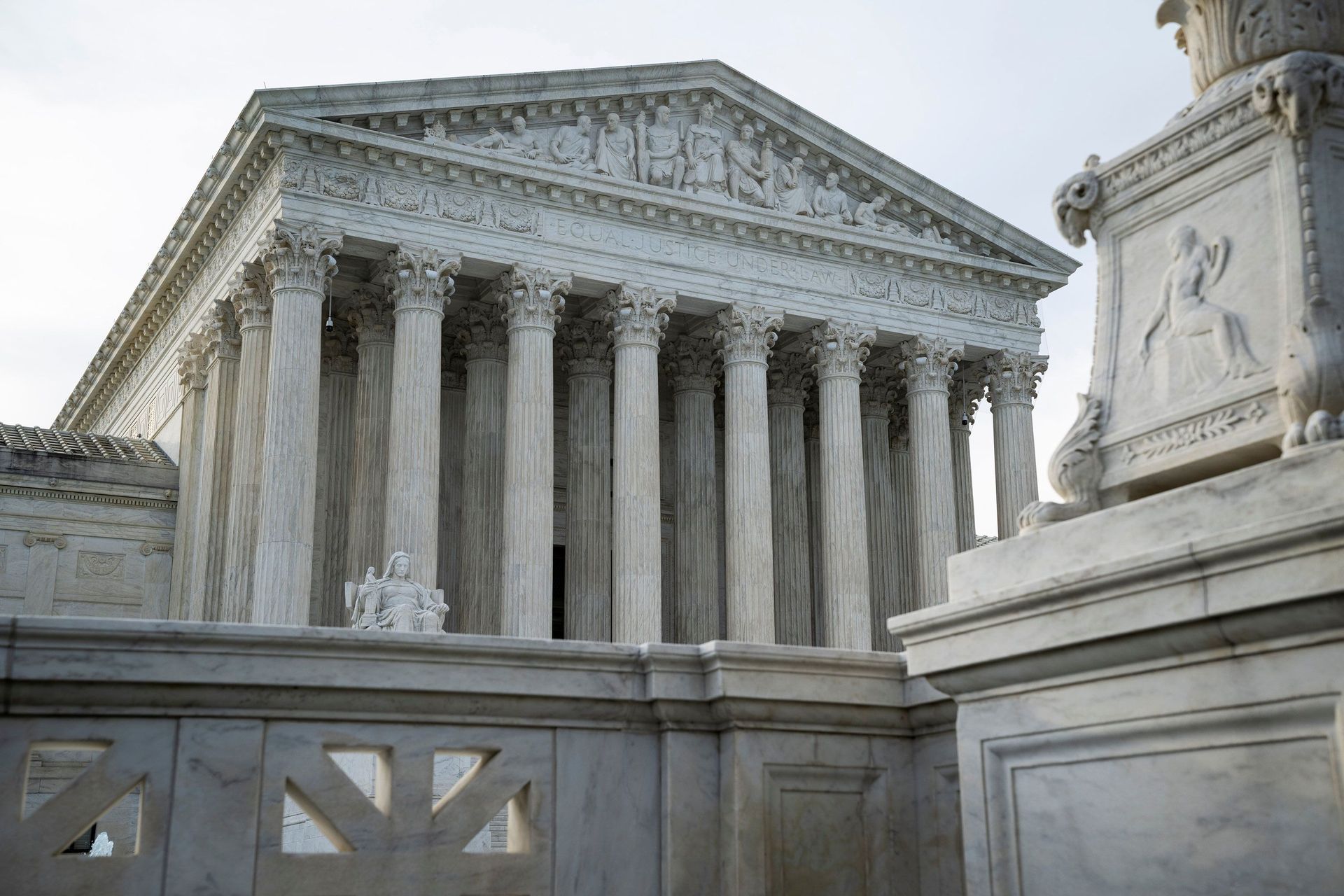
If these state or federal measures pass, the United States will almost certainly see immediate legal challenges, especially around age-verification, First Amendment rights, parental-rights questions, and concerns about adult privacy. This pattern is predictable: in the last two years, nearly every state law involving social-media age verification or youth restrictions was sued and several were blocked by federal courts on constitutional grounds. The same arguments — restraint on lawful speech, burdens on anonymous expression, and overbroad restrictions on minors — would likely be raised again.
The Bottom Line
For South Carolina residents, the landscape is shifting but not settled. Big changes could arrive soon, but they will almost certainly be followed by courtroom battles and appeals. The key takeaway is simply this: keep watching. Both SC leaders and Congress are signaling strong interest in regulating youth social-media use — but the real outcome will depend not only on what passes, but on what survives the legal challenges that always follow laws in this space.