Injured in an assault in SC? The state's Crime Victim Compensation Fund may cover medical bills, counseling & lost wages. Learn who qualifies & how to apply.
Hurt in an Assault? South Carolina May Help Pay Your Bills — and Most Victims Never Ask
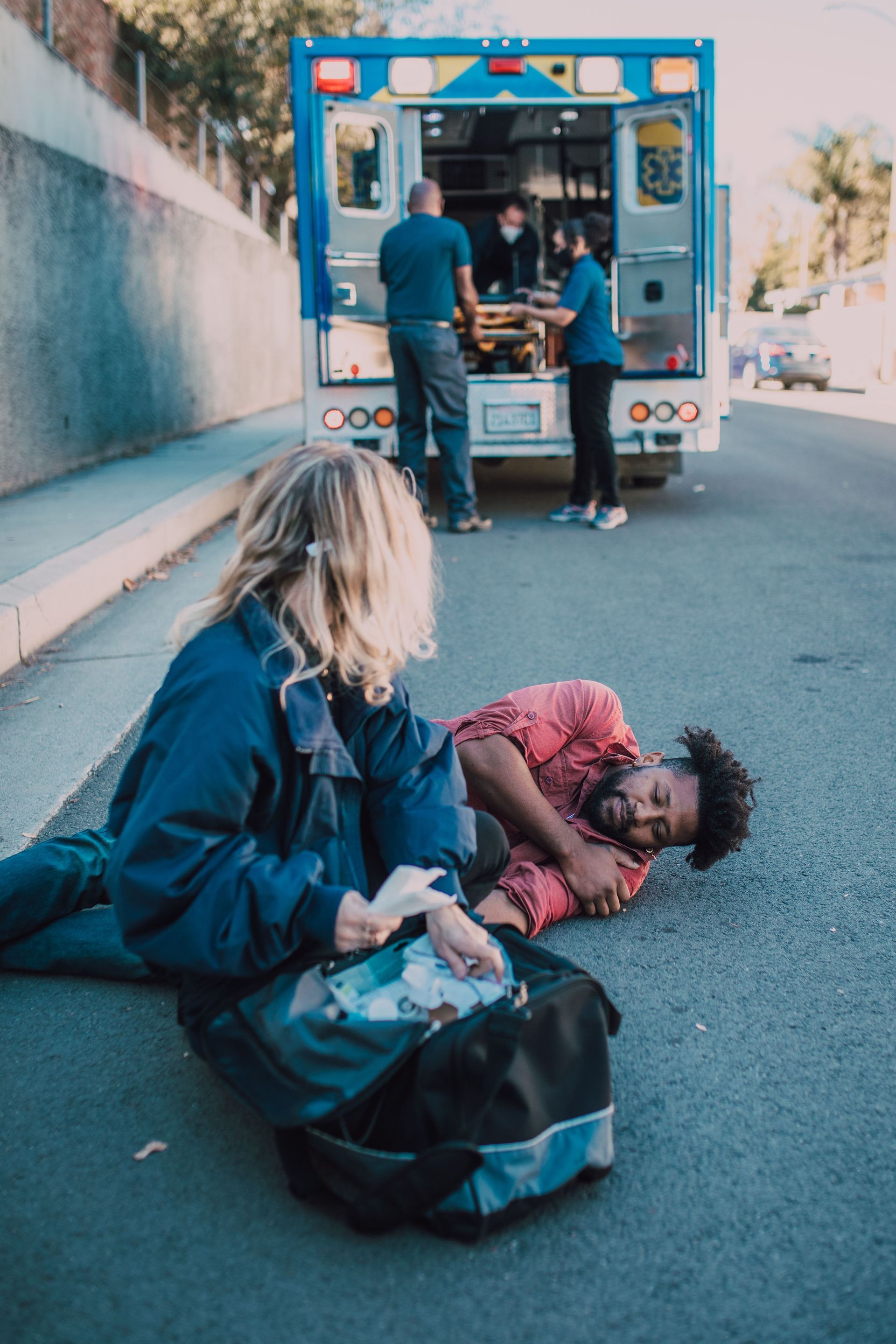
The emergency room bill arrives before the bruises fade. Then comes the follow-up visit, the dental work, the prescription, the week of work you couldn't make. For many people injured in an assault, the financial fallout hits almost as hard as the attack itself — and most of them never learn that South Carolina has a program built to help carry that weight.
This month, South Carolina Attorney General Alan Wilson announced that organizations serving crime victims across the state will receive more than $29 million in federal and state grants, with projects beginning October 1, 2026. It's welcome news. But it's also a good moment to talk about a resource that too many assault victims in the Upstate leave on the table.
What the $29 Million Is For
The grants are distributed through the Attorney General's Department of Crime Victim Assistance Grants and go to nonprofits, sheriff's offices, police departments, solicitor's offices, and state agencies that work directly with victims. Roughly 78 percent of the money is federal, much of it from the Victims of Crime Act (VOCA) fund — which is paid for by federal fines and penalties, not taxpayer dollars.
Where the Money Is Going in Anderson County
Across the Upstate, 29 agencies received 43 grants totaling nearly $7.5 million. Anderson County's share is $1,112,000 across nine grants to five local organizations:
- First Light — $622,524 (VOCA, two grants; VAWA)
- Anderson County Sheriff's Office — $141,566 (SAVS)
- Tenth Judicial Circuit Solicitor's Office — $127,000 (VOCA, VAWA)
- New Foundations Home for Children — $125,969 (VOCA)
- City of Anderson Police Department — $94,941 (VOCA, VAWA)
VOCA = Victims of Crime Act; VAWA = Violence Against Women Act; SAVS = Supplemental Allocation for Victims Services.
What that means for you: if you're hurt in an assault in Anderson County, the people you're likely to meet in the days afterward — the victim advocate at the Sheriff's Office or Anderson PD, the advocate at the Solicitor's Office handling the criminal case, or the staff at First Light — are funded in part by these grants. They're also among the best people to ask about applying for victim compensation.
These are the victim advocates, shelters, and support programs that help people through the hardest days after a crime — and one of the most practical things they do is help victims apply for compensation.
Source: 2026 Upstate Awardees List
The Program Most Assault Victims Don't Know About
Separate from those grants, South Carolina runs a Crime Victim Compensation Fund, administered by the Attorney General's Department of Crime Victim Compensation (DCVC). It exists to help people who were physically or emotionally injured in a reported crime cover costs that come with that injury.
Assault and battery is one of the crimes the program considers. So if you were attacked — at a bar, in a parking lot, at work, at home, or anywhere else in South Carolina — you may qualify.
Depending on eligibility and documentation, the fund may help with:
- Medical and dental bills — up to $15,000 in total
- Counseling for the emotional impact of the crime
- Lost wages if you missed at least two consecutive weeks of work
- Mileage for medical and counseling appointments
- Funeral and burial costs (up to $6,500) if a loved one died as a result of a crime
Why So Many People Miss Out
In our experience, assault victims don't skip this program because they don't need it. They skip it because:
- No one told them. Hospitals and insurers rarely mention it, and victims are understandably focused on healing.
- They assume it's only for certain crimes. Many people think victim compensation is limited to domestic violence or sexual assault. It isn't.
- They think insurance already covers it. Deductibles, copays, and uncovered treatment add up fast. The fund can consider expenses that other sources don't pay.
- They wait too long. There are deadlines, and by the time the bills pile up, the window may be closing.
Who Is Eligible — and the Deadlines That Matter
Generally, to be considered:
- The crime must have happened in South Carolina.
- You must have suffered a physical or emotional injury.
- The crime must be reported to law enforcement — generally within 48 hours, though this can be waived in some circumstances.
- You must cooperate with law enforcement and with DCVC.
- Your application should be filed within 180 days of the crime. Extensions are possible, but don't count on one.
A few important limits: the fund is a "payer of last resort," meaning it looks first to insurance, workers' compensation (if you were hurt on the job), and other sources. It does not pay for pain and suffering, property damage, rent, or attorney fees. And if you later receive a settlement, the state may seek repayment for what it covered.
How to Apply
You don't need a lawyer to file. The application is available on the South Carolina Attorney General's website, and DCVC can be reached at (803) 734-1900 or toll-free at 1-800-220-5370 (crime victims only). Send the application as soon as you can — you can submit additional bills later as they come in.
If you'd like hands-on help, a local victim advocate — often at the sheriff's office, police department, or solicitor's office — can walk you through the paperwork. That help is exactly what grants like these fund.
When Compensation Isn't Enough
The compensation fund is a safety net, not a full recovery. The $15,000 cap may not cover serious injuries, and it pays nothing for pain, suffering, or long-term impact on your life.
Depending on what happened, you may also have a civil claim — against the person who attacked you, or in some situations against a property owner or business whose failure to provide reasonable security allowed the assault to happen. Because compensation awards and civil settlements affect each other, it helps to have someone coordinating both so you don't lose benefits or face surprises later.
At Dunaway Law Firm, we've spent more than 40 years helping injured people and families in Anderson and across the Upstate. If you've been hurt in an assault and aren't sure what help is available to you, we're glad to talk it through — at no cost and with no obligation.
Call (864) 224-1144 or visit dunawayfirm.com for a free case evaluation.
If you are in immediate danger, call 911. For domestic violence support, the National Domestic Violence Hotline is available 24/7 at 1-800-799-7233.
This post is for general information only and is not legal advice. Reading it does not create an attorney-client relationship. Program rules and amounts are set by the State of South Carolina and may change; confirm current details with the Department of Crime Victim Compensation.