
Nursing Home Neglect in South Carolina: The Signs They Hope You Don't Notice
How to recognize nursing home neglect and hold them accountable under S.C. law
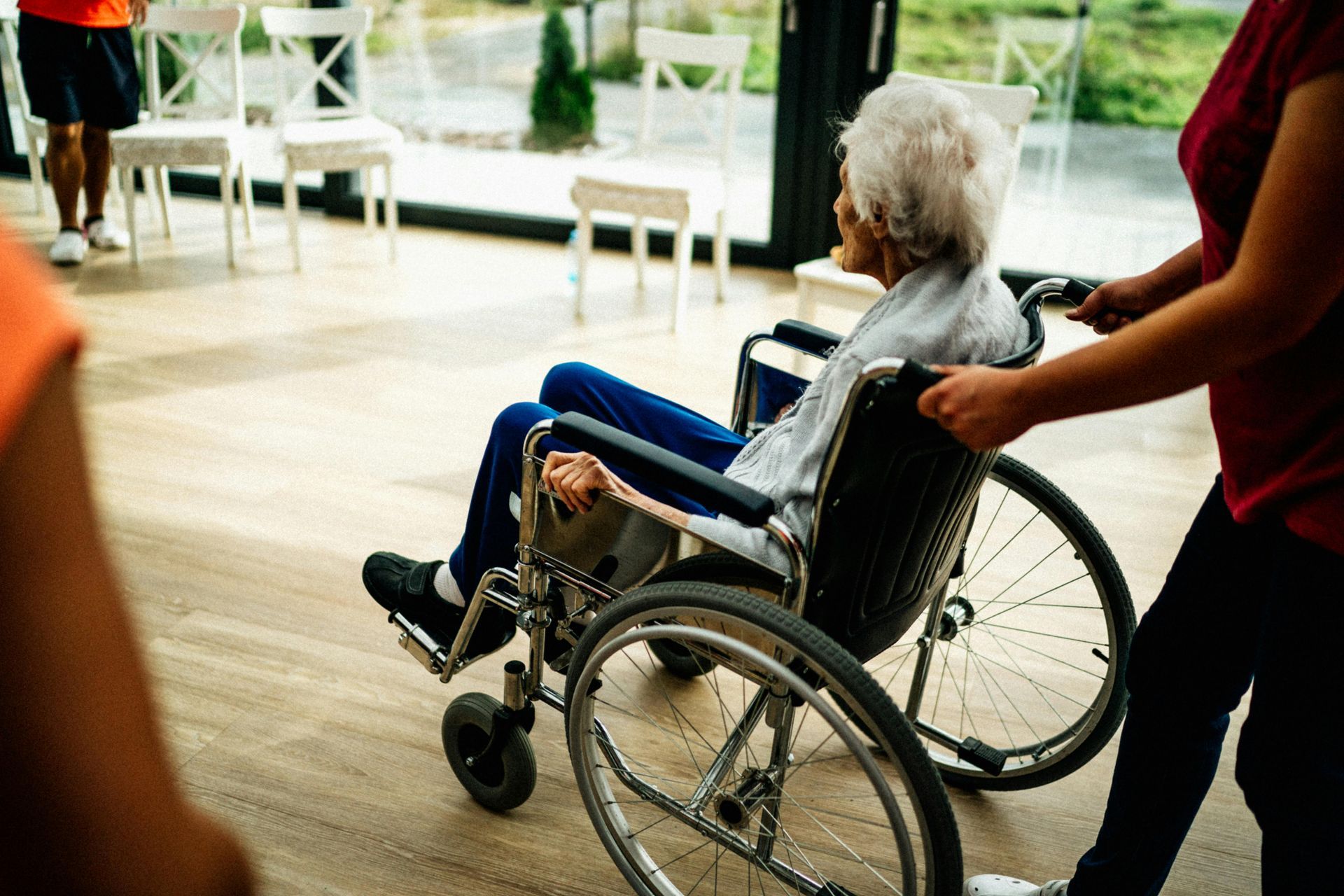
You trusted them to take care of someone you love. You chose the facility, signed the paperwork, and believed your parent or grandparent would be safe. So when you start noticing unexplained bruises, sudden weight loss, or a personality change in someone who used to light up when you walked in the room — that gut feeling you get isn’t paranoia. It’s instinct. And you should listen to it.
Nursing home neglect is one of the most underreported problems in South Carolina. Approximately 1,100 cases of nursing home abuse and 350 cases of neglect are reported in our state every year. But government estimates suggest that only 1 in 57 cases ever gets reported. That means for every family that speaks up, dozens more suffer in silence.
If you suspect that your loved one has been hurt, neglected, or mistreated in a nursing home or assisted living facility, you have options — and you need to act.
What Does Nursing Home Neglect Actually Look Like?
Neglect isn’t always dramatic. It’s not always a black eye or a broken bone. More often, it’s the things that don’t happen — the care that should have been provided but wasn’t.
Physical signs:
• Unexplained bruises, cuts, or bedsores (pressure ulcers)
• Sudden weight loss or signs of dehydration
• Poor hygiene — soiled clothing, unbathed, long or dirty fingernails
• Untreated infections or wounds
Emotional and behavioral signs:
• Withdrawal from activities they used to enjoy
• Fearfulness, especially around certain staff members
• Depression, anxiety, or sudden mood changes
• Reluctance to speak openly when staff are present
Environmental signs:
• A room that smells of urine or feces
• Broken or missing assistive devices (wheelchairs, walkers, hearing aids)
• Call lights that go unanswered for extended periods
• Understaffing — you rarely see the same caregiver twice
Medical signs:
• Medication errors — wrong medications, missed doses, or overmedication
• Falls that happen repeatedly without changes to the care plan
• Worsening medical conditions despite being in a care facility
If you’re seeing any of these signs, don’t wait.
Why Does This Happen?
The single biggest driver of nursing home neglect in South Carolina — and across the country — is understaffing. Studies show that as many as 90% of nursing homes are understaffed. When a facility doesn’t have enough nurses and aides to care for its residents, corners get cut. Call lights go unanswered. Residents don’t get turned in their beds. Medications get missed. Falls happen because nobody is watching.
And here’s what makes it worse: many of these facilities are profitable. They’re collecting thousands of dollars per month per resident from Medicare, Medicaid, and private-pay families — and they’re choosing to pocket the money instead of hiring adequate staff.
That’s not an accident. That’s a business decision. And when that decision leads to harm, it’s negligence.
What to Do If You Suspect Neglect
1. Document everything. Take photos of injuries, living conditions, and anything that concerns you. Write down dates, times, and what you observed. Save text messages or emails with facility staff. This evidence matters.
2. Report it. Contact South Carolina Adult Protective Services (APS) through the Department of Social Services. You can also file a complaint with the South Carolina Department of Health and Environmental Control (DHEC), which oversees nursing home licensing and inspections.
3. Get your loved one medical attention. If they have injuries that haven’t been treated — or if you suspect their condition has worsened due to neglect — take them to a doctor immediately. Make sure the doctor documents everything.
4. Talk to a personal injury attorney. Nursing home neglect cases are complex. These facilities have corporate legal teams and insurance companies working to protect them — not your family. An experienced attorney can investigate the facility, obtain staffing records, review inspection reports, and determine whether you have a case.
5. Don’t sign anything from the facility. If the nursing home asks you to sign an incident report, a release, or any other document after you’ve raised concerns — don’t sign it until an attorney has reviewed it.
Your Legal Rights Under South Carolina Law Residents have a Bill of Rights.
Under South Carolina Code Title 44, Chapter 81, nursing home residents have legally protected rights, including the right to adequate and appropriate care, the right to be free from abuse and neglect, and the right to be treated with dignity and respect.
You can sue for negligence. If a nursing home’s failure to provide adequate care caused injury or harm to your loved one, you may be entitled to compensation for medical expenses, pain and suffering, emotional distress, and in some cases, punitive damages.
The statute of limitations is three years. In South Carolina, you generally have three years from the date the injury was discovered (or should have been discovered) to file a lawsuit. Waiting too long can mean losing your right to hold the facility accountable.
Wrongful death claims. If your loved one died as a result of nursing home neglect, South Carolina law allows the family to bring a wrongful death claim. These cases can hold the facility accountable and provide compensation for funeral expenses, loss of companionship, and the pain and suffering your loved one endured.
You Shouldn’t Have to Fight This Alone
We understand how emotional this is. The guilt of placing a loved one in a facility. The anger of finding out they weren’t being cared for. The helplessness of not knowing what to do next. You’re not alone, and this is not your fault.
At Dunaway Law Firm, we fight for families who’ve been let down by the people and institutions they trusted. If your parent, grandparent, or loved one has been hurt by nursing home neglect or negligence, we want to hear your story.
The consultation is FREE. You pay nothing unless we win.
Call us today at (864) 224-1144 or visit www.dunawayfirm.com
to schedule a free, confidential consultation.