Navigating the Waters Safely

Field Dunaway • May 31, 2024

The Importance of Life Jackets in South Carolina Boating

South Carolina, with its extensive coastline, numerous lakes, and winding rivers, offers some of the best boating experiences in the southeastern United States. Whether it's a leisurely cruise on Lake Murray, fishing in Lake Hartwell, or exploring the coastal waters of Charleston, boating is a beloved pastime for many South Carolinians. However, as with any water-based activity, boating comes with its risks, and one of the most significant safety concerns is the alarming rate of boating accidents. Understanding the importance of life jackets is crucial in mitigating these risks and ensuring a safe and enjoyable experience on the water.


The Reality of Boating Accidents in South Carolina


Boating accidents in South Carolina are more common than many realize. According to the South Carolina Department of Natural Resources (SCDNR), there are hundreds of boating incidents reported annually, resulting in numerous injuries and fatalities. In 2023 alone, there were over 150 reported accidents, leading to 25 fatalities. These incidents are often due to a combination of factors, including operator inexperience, excessive speed, alcohol consumption, and failure to adhere to safety protocols.


The Role of Life Jackets in Preventing Tragedies


One of the simplest yet most effective ways to prevent fatalities in boating accidents is the use of life jackets. Statistics from the United States Coast Guard (USCG) indicate that drowning is the leading cause of death in boating accidents, and the majority of drowning victims were not wearing life jackets at the time of the incident. In South Carolina, the story is no different—most boating-related fatalities could have been prevented if the victims had been wearing life jackets.


Life jackets, also known as Personal Flotation Devices (PFDs), are designed to keep individuals afloat in the water, significantly increasing their chances of survival in the event of an accident. They are particularly crucial in scenarios where individuals are knocked unconscious, as the PFDs help keep their heads above water until rescue arrives.


South Carolina Boating Laws and Life Jacket Requirements


South Carolina law mandates that all children under the age of 12 must wear a USCG-approved life jacket while on board a vessel that is under 16 feet in length. Additionally, there must be a readily accessible life jacket for every person on board any vessel, regardless of its size. Despite these regulations, compliance is often an issue, with many boaters either neglecting to wear life jackets or failing to have them readily accessible.


Why Boaters Should Prioritize Life Jacket Use


  • Increased Survival Rates: The most compelling reason to wear a life jacket is the significantly increased chance of survival in the event of an accident. Life jackets are designed to keep you buoyant and your head above water, which is critical if you're injured or unconscious.


  • Protection Against Hypothermia: In cooler waters, life jackets can provide some insulation, helping to delay the onset of hypothermia while you await rescue.


  • Legal Compliance: Wearing a life jacket ensures that you are in compliance with South Carolina boating laws, avoiding potential fines and penalties.


  • Setting a Good Example: Wearing a life jacket encourages others on your vessel, especially children, to do the same. It sets a positive example and fosters a culture of safety.


Tips for Choosing the Right Life Jacket


  • Proper Fit: Ensure the life jacket fits properly. It should be snug but not too tight, and it should not ride up over your chin or face when you lift your arms.


  • Type of Activity: Different life jackets are designed for different activities. Make sure to choose one that is appropriate for your specific boating activity.


  • USCG Approval: Always check for USCG approval on the label to ensure the life jacket meets safety standards.


  • Condition: Regularly inspect your life jacket for wear and tear. Replace it if you find any damage that could compromise its effectiveness.


Conclusion


Boating in South Carolina can be an incredibly rewarding experience, but safety should always be the top priority. The use of life jackets is a simple yet crucial measure that can save lives. By understanding the risks and adhering to safety protocols, including the consistent use of life jackets, boaters can enjoy the waters of South Carolina with peace of mind. Remember, the best life jacket is the one you wear—don’t leave shore without it.


www.dunawayfirm.com
By Field Dunaway September 14, 2026
You slip on a wet floor at the grocery store. You trip over a broken step at a friend's house. A neighbor's dog bites your kid. The first thing most people hear afterward is some version of "well, that's just an accident." Sometimes it is. But South Carolina law puts real duties on the people who own and control property, and when they ignore those duties and someone gets hurt, that's not an accident. That's a premises liability claim. Here's how it works, whether the property belongs to a business or a private homeowner. The property owner's duty depends on why you were there: South Carolina sorts visitors into three categories, and the owner's obligation changes with each one. Invitees are people on the property for the owner's benefit, usually customers. If you're shopping at Walmart, eating at a restaurant on Main Street, or walking through a hotel lobby, you're an invitee. The owner owes you the highest duty: they have to keep the property reasonably safe, inspect for hazards, and fix or warn about dangers they knew or should have known about. That "should have known" language matters. A store can't just say "nobody told us about the spill." Licensees are social guests, people there with permission but for their own purposes. That's you at your buddy's cookout or your in-laws' house for Thanksgiving. A homeowner owes a licensee a duty to warn about hidden dangers the homeowner actually knows about. If they know the back deck railing is loose and don't say anything, they've got a problem. If they had no idea, the analysis gets harder. Trespassers get the least protection. An owner generally only has to avoid willful or wanton harm to an adult trespasser. Children are a different story. Under what courts call the attractive nuisance doctrine, an owner who keeps something a child is likely to wander toward (a pool, an old refrigerator, construction equipment) can be liable even if the child had no permission to be there. Figuring out which category applies is the first thing we do on every premises case, because it sets the standard the owner is held to. What this means for businesses: Businesses in Upstate South Carolina deal with the public all day, which means they deal with invitees all day. The most common claims we see against commercial property owners involve slip and falls from spills, freshly mopped floors with no warning signs, or leaks in the produce section; parking lot hazards like potholes, poor lighting, and broken curbs; falling merchandise from overstocked shelves; stairs and walkways with broken handrails or uneven surfaces; and negligent security in places like apartment complexes, bars, and parking decks where the owner knew about prior crime and did nothing. The fight in most of these cases is about notice. To win a slip and fall in South Carolina, you generally have to show the business either created the hazard, knew about it, or that it existed long enough that a reasonable business should have found it. That's why we send preservation letters fast. Surveillance footage, incident reports, and sweep logs tend to disappear if nobody asks for them. What this means for homeowners: Homeowners are surprised to learn they can be sued for a guest's injury. But in practice, the claim is usually made against the homeowner's insurance policy, not against the homeowner personally. Most standard homeowner's policies carry liability coverage, often $100,000 to $300,000, precisely for this situation. Common homeowner premises claims include dog bites, falls on stairs, decks, or icy walkways, swimming pool injuries, and injuries from unmaintained structures like rotted porches or collapsing sheds. Dog bites deserve their own mention. South Carolina has one of the more favorable dog bite laws in the country for injured people. Under S.C. Code § 47-3-110, a dog owner is strictly liable when their dog bites or attacks someone who is in a public place or lawfully on private property. You don't have to prove the dog was vicious before, and you don't have to prove the owner was careless. The main defense is that the injured person provoked the dog or was trespassing. When the government owns the property: Falls at the courthouse, on a county sidewalk, or in a public park fall under the South Carolina Tort Claims Act. These cases have shorter deadlines and damage caps, and the procedure is unforgiving. If you were hurt on public property, do not wait to talk to a lawyer. The clock on these cases runs faster than people think. "But I should have been watching where I was going": Insurance adjusters love this line. South Carolina uses a modified comparative negligence rule: your recovery is reduced by your share of fault, and you're barred from recovering only if you're 51% or more at fault. Being partly responsible does not kill your case. It's a negotiation point, and the adjuster is going to try to inflate it. Don't give a recorded statement before you've talked to someone who represents you. What to do if you've been injured on someone's property: Get medical care first. Then, if you can, take photos of the hazard before it gets cleaned up or fixed. Report the incident to the owner or manager and ask for a copy of any incident report. Get names and phone numbers of anyone who saw what happened. Keep the shoes and clothes you were wearing. And don't sign anything or accept a quick payment from an insurance company until you understand what your case is worth. In South Carolina, you generally have three years from the date of injury to file a premises liability lawsuit. Three years sounds like a long time. It isn't, especially when evidence disappears within days. Talk to a premises liability lawyer in Anderson: Dunaway Law Firm has handled premises liability cases across Anderson County and the Upstate, from slip and falls at big-box retailers to dog bites in residential neighborhoods. We know the notice arguments, we know the insurance carriers, and we know how to move fast on preserving evidence. If you were hurt on someone else's property, call us for a free consultation. There's no fee unless we win . Call 864-224-1144 They have insurance. You have us!
Traffic during commuting hours on a interstate.
By Ashlee Edwards Aughtry July 8, 2026
New 2024 data reveals the deadliest hour, day, and months to drive — plus South Carolina crash trends and what they mean for injured victims and their families.
The Supreme Court will hear a case testing caregiver accountability for ignoring medical needs.
By Ashlee Edwards Aughtry June 25, 2026
The Supreme Court will hear a case testing caregivers accountability for ignoring medical needs, with implications for medical-malpractice & nursing-home patients.
By Field Dunaway June 15, 2026
Why a Smaller Firm Can Get You a Bigger Check
By Field Dunaway May 8, 2026
Call Dunaway Law Firm, LLC - It's FREE
By Field Dunaway April 27, 2026
Record Insurance Profits, Record Lowball Offers 
By Field Dunaway April 24, 2026
Suspect nursing home abuse? Avoid costly mistakes that can hurt your case. Learn what to do before it’s too late.
By Field Dunaway April 13, 2026
How to recognize nursing home neglect and hold them accountable under S.C. law
February 25, 2026
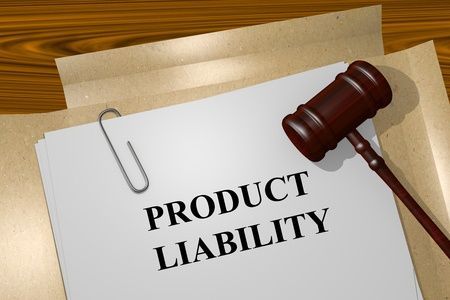
Introduction Every day, consumers place their trust in products — from cars and household appliances to toys and prescription drugs. But what happens when those products fail and cause harm? This is where product liability law steps in. Designed to protect consumers and hold manufacturers accountable, this area of law ensures that unsafe products don’t go unchecked. What Is Product Liability? Product liability refers to a manufacturer or seller being held legally responsible for placing a defective product into the hands of a consumer. Unlike ordinary negligence claims, product liability is often governed by strict liability — meaning that a plaintiff doesn’t always have to prove negligence, only that the product was defective and caused injury. Types of Product Defects There are three main categories of product defects: Design Defects: Flaws inherent in the product’s design that make it unsafe (e.g., a car model prone to rollover accidents). Manufacturing Defects: Errors that occur during production, leading to a dangerous variant of an otherwise safe design. Marketing Defects (Failure to Warn): Inadequate instructions or warnings about a product’s risks. Common Examples Contaminated food or pharmaceuticals Faulty airbags or brakes Flammable clothing or defective electronics Liable Parties: In product liability law, responsibility doesn’t stop with the manufacturer — it can extend to any commercial entity in the chain of distribution. That means if a defective product causes injury, a plaintiff may bring a claim against the manufacturer, component-part maker, wholesaler, distributor, or retailer. The key idea is that every business involved in placing the product into the stream of commerce shares responsibility for its safety. What Consumers Should Do? If you’ve been injured by a defective product: Seek medical attention immediately. Preserve the product and packaging. Document everything — injuries, receipts, photos, and correspondence. Consult a product liability attorney to explore your rights. SOL South Carolina Law: For product liability claims in South Carolina, there are critical time limits you must understand: South Carolina also has an 8-year statute of repose for product liability claims. This means: No product liability action may be brought more than 8 years after the product was first sold or delivered, even if the injury was not discovered until later. ⚠️ The statute of repose is a hard cutoff. The discovery rule does not extend it. Conclusion Product liability law serves an important public purpose: it encourages companies to prioritize safety and transparency. If you believe a defective product has harmed you, understanding your legal options is the first step toward justice and compensation.
By Field Dunaway December 10, 2025
The ripple effect of Australia’s new rules on pending federal and South Carolina social media legislation.