By Field Dunaway
•
September 14, 2026
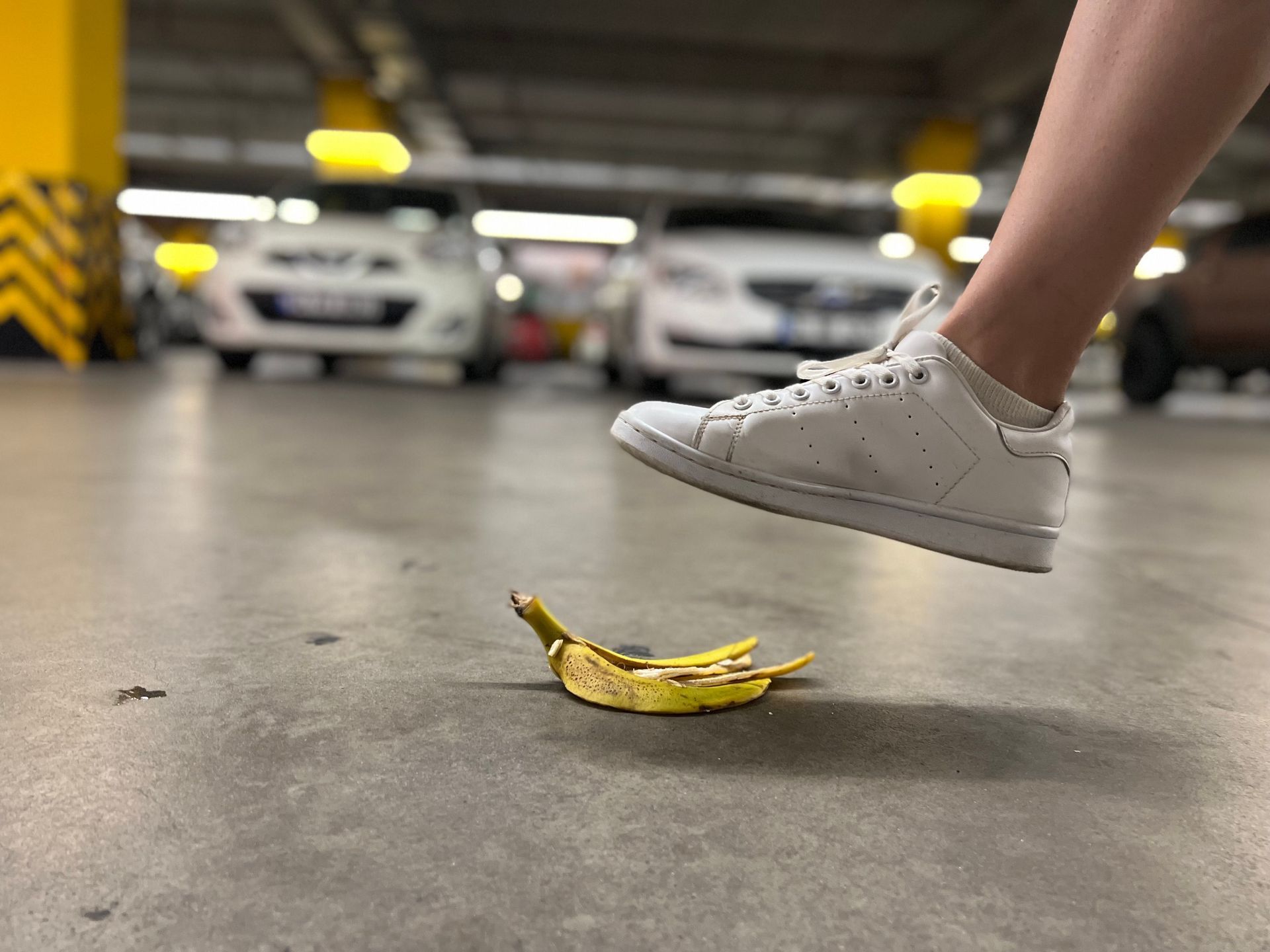
You slip on a wet floor at the grocery store. You trip over a broken step at a friend's house. A neighbor's dog bites your kid. The first thing most people hear afterward is some version of "well, that's just an accident." Sometimes it is. But South Carolina law puts real duties on the people who own and control property, and when they ignore those duties and someone gets hurt, that's not an accident. That's a premises liability claim. Here's how it works, whether the property belongs to a business or a private homeowner. The property owner's duty depends on why you were there: South Carolina sorts visitors into three categories, and the owner's obligation changes with each one. Invitees are people on the property for the owner's benefit, usually customers. If you're shopping at Walmart, eating at a restaurant on Main Street, or walking through a hotel lobby, you're an invitee. The owner owes you the highest duty: they have to keep the property reasonably safe, inspect for hazards, and fix or warn about dangers they knew or should have known about. That "should have known" language matters. A store can't just say "nobody told us about the spill." Licensees are social guests, people there with permission but for their own purposes. That's you at your buddy's cookout or your in-laws' house for Thanksgiving. A homeowner owes a licensee a duty to warn about hidden dangers the homeowner actually knows about. If they know the back deck railing is loose and don't say anything, they've got a problem. If they had no idea, the analysis gets harder. Trespassers get the least protection. An owner generally only has to avoid willful or wanton harm to an adult trespasser. Children are a different story. Under what courts call the attractive nuisance doctrine, an owner who keeps something a child is likely to wander toward (a pool, an old refrigerator, construction equipment) can be liable even if the child had no permission to be there. Figuring out which category applies is the first thing we do on every premises case, because it sets the standard the owner is held to. What this means for businesses: Businesses in Upstate South Carolina deal with the public all day, which means they deal with invitees all day. The most common claims we see against commercial property owners involve slip and falls from spills, freshly mopped floors with no warning signs, or leaks in the produce section; parking lot hazards like potholes, poor lighting, and broken curbs; falling merchandise from overstocked shelves; stairs and walkways with broken handrails or uneven surfaces; and negligent security in places like apartment complexes, bars, and parking decks where the owner knew about prior crime and did nothing. The fight in most of these cases is about notice. To win a slip and fall in South Carolina, you generally have to show the business either created the hazard, knew about it, or that it existed long enough that a reasonable business should have found it. That's why we send preservation letters fast. Surveillance footage, incident reports, and sweep logs tend to disappear if nobody asks for them. What this means for homeowners: Homeowners are surprised to learn they can be sued for a guest's injury. But in practice, the claim is usually made against the homeowner's insurance policy, not against the homeowner personally. Most standard homeowner's policies carry liability coverage, often $100,000 to $300,000, precisely for this situation. Common homeowner premises claims include dog bites, falls on stairs, decks, or icy walkways, swimming pool injuries, and injuries from unmaintained structures like rotted porches or collapsing sheds. Dog bites deserve their own mention. South Carolina has one of the more favorable dog bite laws in the country for injured people. Under S.C. Code § 47-3-110, a dog owner is strictly liable when their dog bites or attacks someone who is in a public place or lawfully on private property. You don't have to prove the dog was vicious before, and you don't have to prove the owner was careless. The main defense is that the injured person provoked the dog or was trespassing. When the government owns the property: Falls at the courthouse, on a county sidewalk, or in a public park fall under the South Carolina Tort Claims Act. These cases have shorter deadlines and damage caps, and the procedure is unforgiving. If you were hurt on public property, do not wait to talk to a lawyer. The clock on these cases runs faster than people think. "But I should have been watching where I was going": Insurance adjusters love this line. South Carolina uses a modified comparative negligence rule: your recovery is reduced by your share of fault, and you're barred from recovering only if you're 51% or more at fault. Being partly responsible does not kill your case. It's a negotiation point, and the adjuster is going to try to inflate it. Don't give a recorded statement before you've talked to someone who represents you. What to do if you've been injured on someone's property: Get medical care first. Then, if you can, take photos of the hazard before it gets cleaned up or fixed. Report the incident to the owner or manager and ask for a copy of any incident report. Get names and phone numbers of anyone who saw what happened. Keep the shoes and clothes you were wearing. And don't sign anything or accept a quick payment from an insurance company until you understand what your case is worth. In South Carolina, you generally have three years from the date of injury to file a premises liability lawsuit. Three years sounds like a long time. It isn't, especially when evidence disappears within days. Talk to a premises liability lawyer in Anderson: Dunaway Law Firm has handled premises liability cases across Anderson County and the Upstate, from slip and falls at big-box retailers to dog bites in residential neighborhoods. We know the notice arguments, we know the insurance carriers, and we know how to move fast on preserving evidence. If you were hurt on someone else's property, call us for a free consultation. There's no fee unless we win . Call 864-224-1144 They have insurance. You have us!